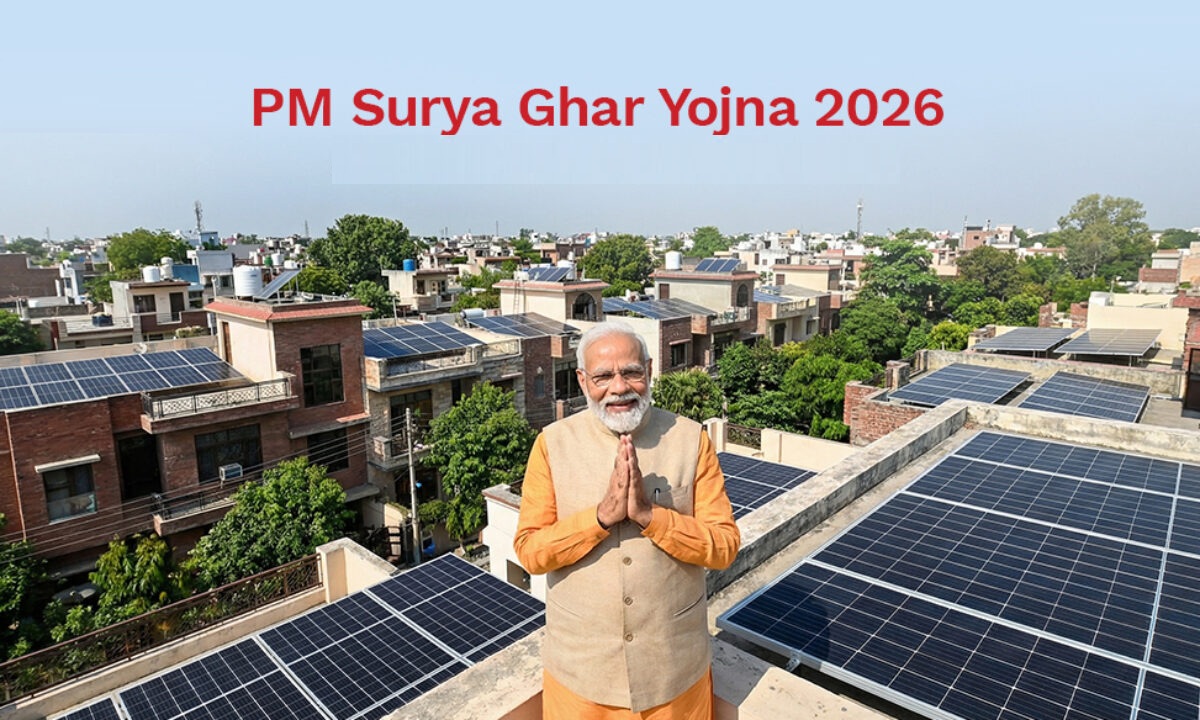
Electricity bills can take up a significant part of a household's monthly budget, especially when fans, air conditioners, refrigerators, and other appliances are used regularly. For residents of Bhubaneswar, Odisha, switching to rooftop solar power can be a practical way to reduce electricity expenses while embracing clean and renewable energy. The PM Surya Ghar Muft Bijli Yojana is a government initiative designed to make residential rooftop solar systems more affordable through financial assistance.
If you want to Apply for PM Surya Ghar Solar Scheme in Bhubaneswar, understanding the eligibility criteria, registration process, subsidy benefits, and installation requirements can help you get started with confidence. This guide explains the essential steps and considerations for homeowners who want to benefit from solar energy.
What Is the PM Surya Ghar Muft Bijli Yojana?
The PM Surya Ghar Muft Bijli Yojana is a Government of India initiative launched to encourage households to install rooftop solar systems and reduce their dependence on conventional electricity. The scheme provides eligible residential consumers with central financial assistance for installing qualifying rooftop solar systems through the prescribed process.
Under the scheme, households can receive a subsidy of up to ₹78,000 for eligible rooftop solar installations, depending on the system capacity and applicable guidelines. The scheme aims to help households generate their own electricity, lower their monthly bills, and contribute to a cleaner environment.
For homeowners searching for PM Surya Ghar Muft Bijli Yojana Bhubaneswar Odisha, the official national portal is the primary starting point for registration, application tracking, and accessing scheme-related information.
Benefits of Installing Rooftop Solar in Bhubaneswar
Bhubaneswar receives substantial sunlight throughout much of the year, making rooftop solar a promising option for many residential properties. However, the actual electricity generated depends on roof orientation, shading, system capacity, weather conditions, and equipment quality.
One of the biggest advantages of rooftop solar is the potential to reduce monthly electricity bills. A properly sized solar system can generate electricity during daylight hours, helping households meet part of their regular energy needs.
Another benefit is the government subsidy available to eligible residential consumers. This financial support can reduce the initial installation cost and make solar energy more accessible to families.
Rooftop solar can also reduce dependence on grid electricity and help households adopt a more environmentally responsible lifestyle. Before installing a system, homeowners should assess their electricity consumption, available roof space, and expected long-term savings.
Who Is Eligible for the PM Surya Ghar Solar Scheme?
Before beginning your application, check whether your household meets the scheme's eligibility requirements. The programme is intended for residential electricity consumers who want to install rooftop solar systems under the approved process.
Generally, applicants should have a valid residential electricity connection and suitable rooftop space for solar panel installation. The installation must follow the scheme's technical requirements and use an eligible vendor registered under the programme.
The subsidy is subject to the applicable scheme rules, including requirements relating to the electricity connection, system installation, inspection, and commissioning. Government employees and households with particular income levels should not assume they are automatically excluded or included without checking the current official eligibility conditions.
It is also important to understand that the subsidy is not a universal payment for every solar installation. Commercial and industrial electricity connections are generally not eligible for the residential subsidy under this scheme. Always verify your circumstances on the official portal before making a financial commitment.
How to Apply for PM Surya Ghar Solar Scheme in Bhubaneswar
Step 1 Register on the Official Portal
Visit the official PM Surya Ghar portal at https://pmsuryaghar.gov.in. Begin the registration process by selecting your state, electricity distribution company, and entering the required consumer and mobile details. Follow the instructions to verify your information and create your registration.
For residents of Bhubaneswar, select the electricity distribution company associated with your residential connection. Ensure the consumer account details are accurate to avoid delays during application processing.
Step 2 Submit Your Rooftop Solar Application
After registration, log in to the portal and complete the rooftop solar application. Provide the requested electricity consumer details, address information, and system-related particulars.
Review all entries carefully before submitting the application. Keep your electricity bill and consumer account information available so that you can enter the details correctly.
Step 3 Choose a Registered Solar Vendor
Once the application reaches the required approval stage, select an eligible registered vendor through the official portal. Compare quotations, equipment specifications, warranties, installation charges, and after-sales support before making your decision.
Ask the vendor to explain the proposed system capacity and expected electricity generation based on your household's consumption and rooftop conditions. Make sure you understand the total cost and what is included in the quotation.
Step 4 Install the Solar System
After the necessary approval, arrange for the rooftop solar system to be installed according to the scheme's technical standards. The vendor should use compliant equipment and complete the installation in accordance with applicable requirements.
The system's capacity should be suitable for your electricity needs and available roof area. Avoid paying for a larger system simply because it offers a higher subsidy ceiling; the right capacity depends on your usage, roof conditions, and budget.
Step 5 Complete Inspection and Net Metering
After installation, the required system details must be submitted through the official process. The electricity distribution company will carry out the applicable inspection and net-metering procedures.
A net meter, where applicable, records electricity imported from and exported to the grid. The final arrangement depends on the relevant electricity regulations and distribution company's requirements.
Step 6 Apply for the Subsidy
After the system has been installed and the required commissioning formalities are completed, submit the subsidy request through the official portal. Provide the requested bank account information and any required supporting documents.
Ensure that your bank details are correct and that your account meets the scheme's requirements. Subsidy disbursement depends on successful verification and compliance with the current programme guidelines.
How Much Subsidy Can You Receive?
The central subsidy for eligible residential rooftop solar systems is calculated according to the applicable scheme structure. For households in Bhubaneswar, the standard central financial assistance is generally ₹30,000 per kW for the first 2 kW and ₹18,000 per additional kW for the next 1 kW, subject to the scheme's rules. This means the maximum standard central subsidy for a residential system is ₹78,000.
The amount you receive depends on the eligible installed capacity and successful completion of the prescribed process. Before choosing your system, confirm the latest subsidy provisions on the official portal and ask your registered vendor for a detailed cost estimate. Do not assume that the subsidy will cover the entire installation cost or eliminate every electricity charge.
Documents and Details You May Need
To make your application easier, keep your latest electricity bill, consumer account number, registered mobile number, and bank account details ready. You may also need the documents or information requested during registration, installation, commissioning, and subsidy verification.
The exact requirements can vary according to the stage of the application and the current portal instructions. Use accurate information throughout the process, and ensure that the bank account details submitted for subsidy payment meet the official requirements.
Tips to Maximise Your Solar Savings
Start by reviewing your recent electricity bills to understand your average monthly consumption. This will help you choose a solar system that matches your household's energy requirements. A qualified vendor can assess your rooftop space, shading, and expected generation before recommending a suitable capacity.
Compare quotations from multiple registered vendors instead of selecting the cheapest option immediately. Equipment quality, warranties, installation standards, and after-sales service can influence the system's long-term performance.
Remember that solar panels generate electricity primarily during daylight hours. Using suitable appliances during solar generation periods can help you make better use of the electricity produced. Your actual savings will depend on consumption patterns, solar generation, applicable electricity tariffs, and net-metering arrangements.
Conclusion
The PM Surya Ghar Muft Bijli Yojana offers eligible households in Bhubaneswar an opportunity to adopt rooftop solar energy with government financial assistance. By understanding the eligibility requirements, registering on the official portal, choosing a registered vendor, and completing installation and verification procedures, homeowners can work towards reducing their electricity expenses.
If you are planning to Apply for PM Surya Ghar Solar Scheme in Bhubaneswar, start by checking your electricity connection details and assessing your rooftop's suitability. A well-planned solar installation can provide long-term value, support cleaner energy use, and help your household become less dependent on conventional electricity.
Frequently Asked Questions
1. How can I apply for the PM Surya Ghar Solar Scheme in Bhubaneswar?
You can register through the official portal at https://pmsuryaghar.gov.in. Select your state and electricity distribution company, enter your consumer details, submit the application, and follow the prescribed steps for vendor selection, installation, commissioning, and subsidy payment.
2. What is the maximum subsidy available under the scheme?
Eligible residential households can generally receive central financial assistance of up to ₹78,000 for qualifying rooftop solar installations. The final amount depends on the installed capacity and applicable scheme requirements.
3. Is the PM Surya Ghar scheme available in Bhubaneswar, Odisha?
The scheme is a national residential rooftop solar programme. Residents of Bhubaneswar can check their eligibility and application options through the official portal and the electricity distribution company serving their connection.
4. Can I receive free electricity after installing solar panels?
The scheme aims to support households in generating their own electricity, with the potential to receive up to 300 units of free electricity per month under suitable conditions. However, actual generation varies, and households may still have electricity bills or other applicable charges depending on their usage and tariff arrangements.
5. How long does it take to receive the subsidy?
The processing time depends on application verification, installation completion, inspection, commissioning, and the accuracy of submitted bank details. Check your application status through the official portal for the latest updates.
6. Can tenants apply for the scheme?
Eligibility generally depends on having a valid residential electricity connection and the necessary permission to install rooftop solar panels. Tenants should consult the property owner and verify the applicable requirements before applying.
7. How do I choose a reliable solar installer in Bhubaneswar?
Choose a vendor listed on the official scheme portal. Compare equipment specifications, quotations, warranties, installation quality, and after-sales service before finalizing your installation.
8. Where can I find official information about PM Surya Ghar Muft Bijli Yojana Bhubaneswar Odisha?
Visit princeenterprisesandco.com for registration, scheme guidelines, application tracking, and other official information. Confirm current eligibility and subsidy rules before making an investment.